.png)
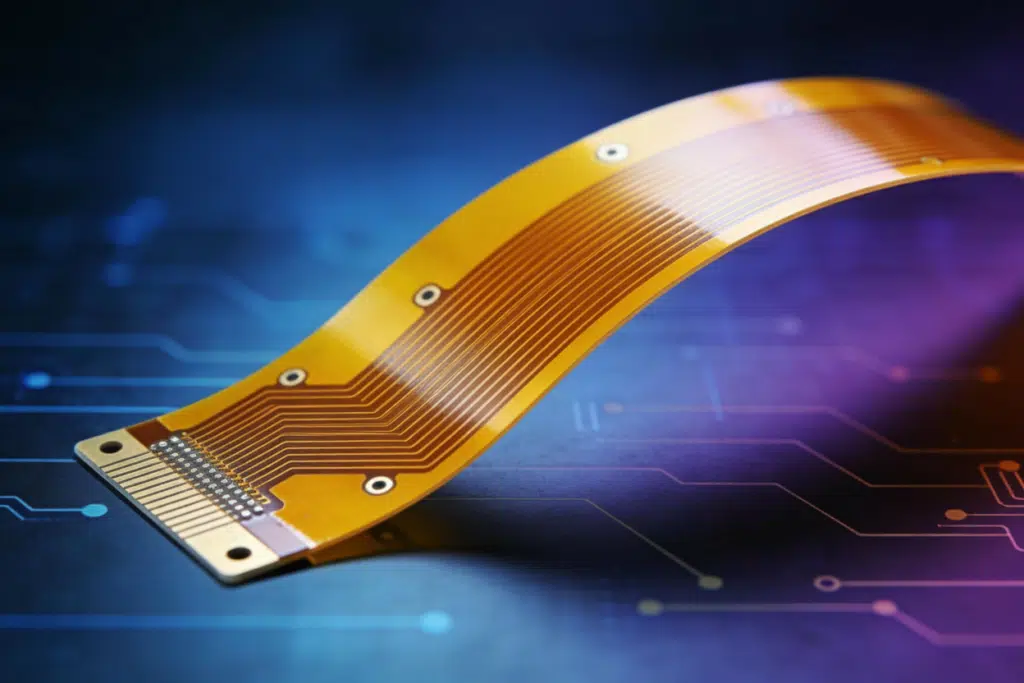

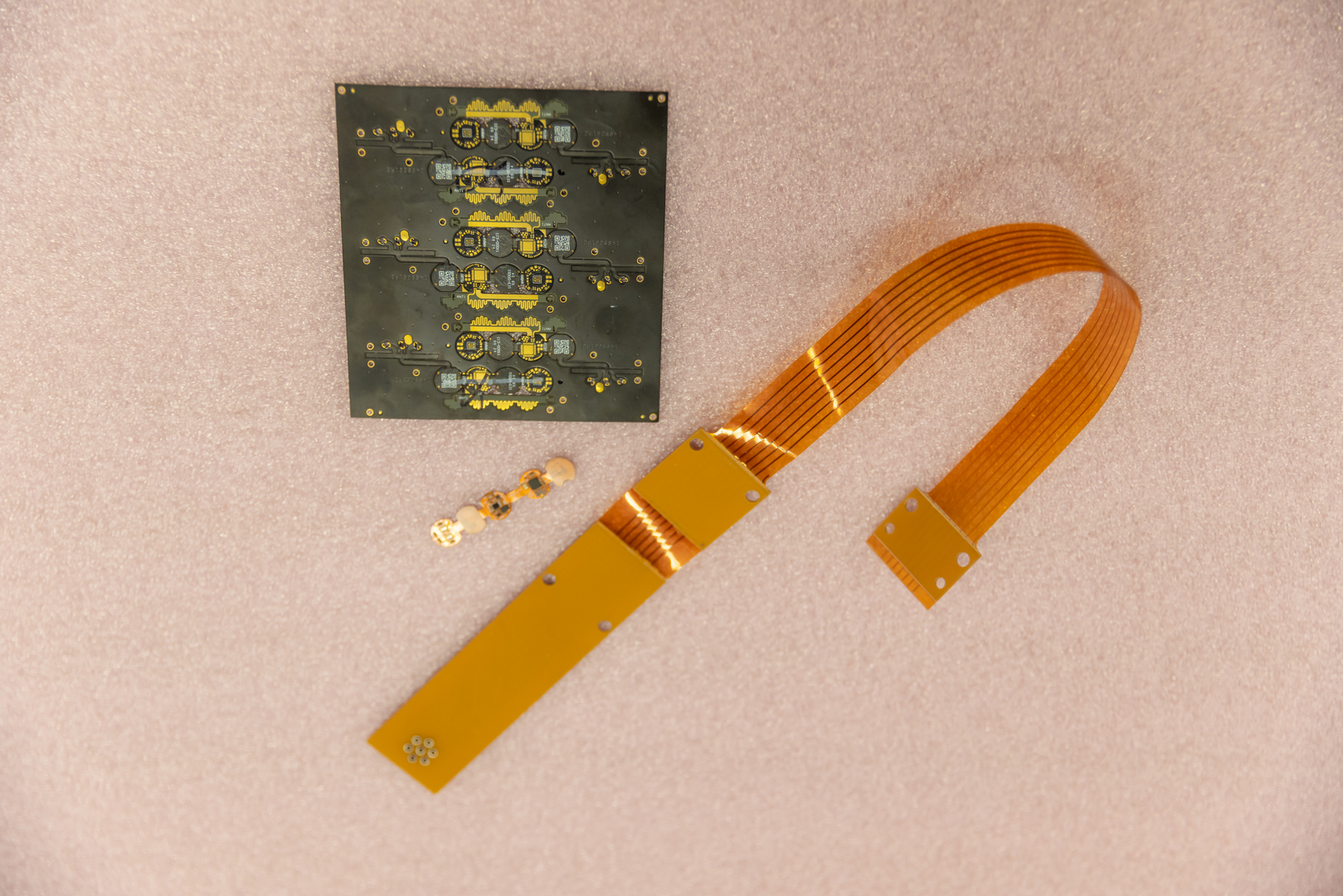
At Altest Corporation, we provide advanced Flex PCB Assembly Services for applications requiring lightweight construction, compact form factors, dynamic flexing, and exceptional electrical performance. Flexible Printed Circuit (FPC) assemblies demand specialized manufacturing techniques due to their thin substrates, low mechanical rigidity, and sensitivity to thermal and handling stresses. Our manufacturing process combines precision SMT assembly, controlled reflow soldering, custom fixturing, and IPC-certified workmanship to produce highly reliable flexible circuit assemblies for medical devices, aerospace, defense, automotive electronics, wearable technology, industrial automation, robotics, and telecommunications.
Flexboard assemblies are used in a variety of applications, particularly where space is at a premium or where components need to conform to a specific shape.
.jpg)
Wearables:Smartwatches, fitness trackers, medical devices.
Consumer Electronics:Smartphones, laptops, and tablets (e.g., internal flexible cables or connectors).
Automotive:In dashboards, control systems, or even flexible sensors.
Medical Devices:Flexible sensors or diagnostic equipment
Aerospace and Defense:Flexible interconnects in sensors or systems subject to movement or vibration
Single-layer Flex PCB:This is a simple design where only one layer of copper is used for the circuitry.
Multi-layer Flex PCB:For more complex designs, multiple layers of flexible material are stacked and bonded together with adhesive and copper interconnects between layers. This allows for higher component density and more complex circuits.
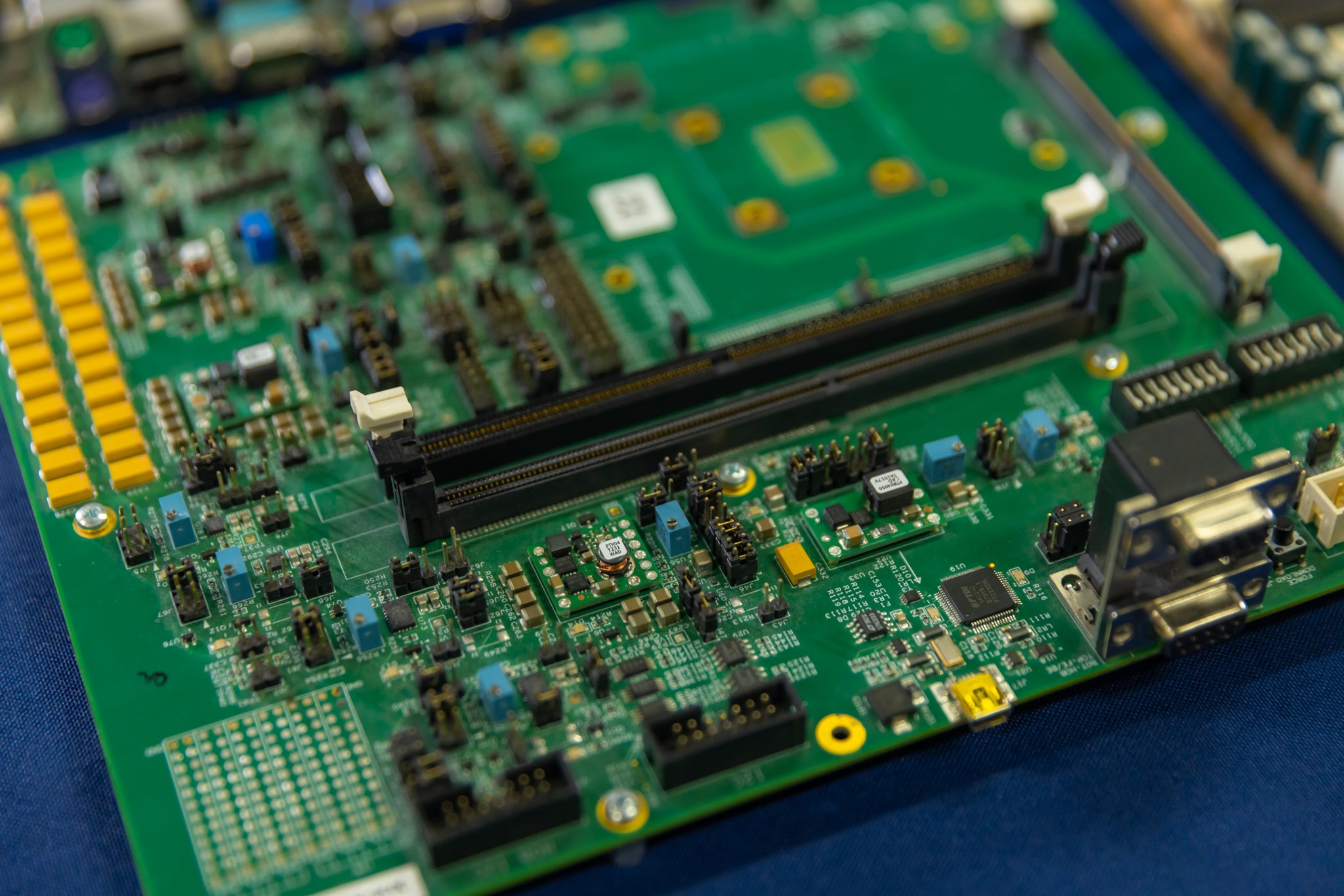
With decades of expertise in high-reliability PCB manufacturing and Electronics Manufacturing Services (EMS), Altest Corporation delivers precision Flex PCB assemblies engineered for demanding environments. Our integrated capabilities include PCB design, flex circuit fabrication, SMT assembly, rigid-flex assembly, cable integration, box build assembly, firmware programming, functional testing, and turnkey manufacturing, providing customers with a complete end-to-end manufacturing solution. By combining advanced automation, IPC-certified manufacturing processes, and rigorous quality assurance, we consistently deliver high-performance flexible electronic assemblies with superior reliability and manufacturing consistency.
Find answers to common questions about SMT processing on flexible circuits, custom carrier pallets, polyimide moisture control, and flexible conformal coatings.
Flex boards lack structural rigidity, meaning they cannot travel through standard SMT conveyors on their own. They require specialized rigid carriers or custom-machined pallets to hold them perfectly flat and under tension during solder paste printing, pick-and-place, and the reflow oven cycle.
Yes. Polyimide, the primary material for flex circuits, is highly hygroscopic (it readily absorbs ambient moisture). We must pre-bake all bare flex boards in specialized convection ovens immediately before assembly. If not baked, the trapped moisture will rapidly expand into steam during reflow, causing severe delamination or blistering of the circuit layers.
Because the material can warp or shift under the pressure of a squeegee blade, we use custom-routed vacuum blocks and tensioned assembly pallets to pull the flex board completely taut and perfectly flat. This ensures the metal stencil aligns with sub-micron accuracy and the solder paste deposits are uniformly applied.
Yes, but it requires mechanical support. We strongly recommend laminating rigid FR-4, polyimide, or stainless steel "stiffeners" directly underneath the component's footprint. This localized rigid zone prevents the delicate solder joints from fracturing or peeling away when the rest of the flex board is bent or twisted.
While polyimide film can easily withstand standard lead-free reflow temperatures (up to 260°C), the massive thermal mass of the custom carrier pallets alters how heat is absorbed. Our engineers create bespoke thermal profiles using sacrificial "Golden Boards" attached with thermocouples to guarantee perfect solder wetting without thermally stressing the flex film.
Absolutely. Once the components are placed and the board exits the reflow oven, the flex boards remain locked in their rigid carriers as they pass through our inline 3D AOI (Automated Optical Inspection) systems. This ensures every solder fillet and component alignment meets strict IPC Class II or Class III standards before removal from the pallet.
Yes, but standard rigid coatings (like hard acrylics) will shatter when the board bends. We utilize specialized, highly flexible conformal coatings (such as specific silicones or urethanes) that cure into a pliable layer. This protects the components from moisture, dust, and chemical exposure without compromising the board's dynamic bend radius.
Flex circuits are typically manufactured and assembled in large arrays (panels) to maximize efficiency. Because traditional mechanical V-scoring or router bits can easily tear or fray the delicate polyimide, we use high-precision UV or CO2 laser depaneling machines to cleanly slice the flex boards out of the panel with absolute zero mechanical stress.
Yes, though it is less common than Surface Mount Technology (SMT). Through-hole components on flex almost always require localized FR-4 stiffeners bonded around the plated through-holes. This supports the physical insertion force of the component leads and stabilizes the part during selective robotic soldering or hand soldering operations.
Our SMT operators and automated lines strictly adhere to IPC-A-610 (Acceptability of Electronic Assemblies) standards, specifically focusing on the criteria for flexible circuits. We also operate in full compliance with IPC-2223 (Sectional Design Standard for Flexible Printed Boards), ensuring maximum reliability for mission-critical aerospace, medical, and industrial flex applications.
Partner with Altest Corporation for your next high-reliability PCB fabrication and turnkey SMT assembly project. Our engineering team is ready to review your gerber files and provide a detailed, competitive estimate.