
Step 7: Surface Finishing and Final Routing
Surface finish ensures solderability and shelf life. The PCB is then routed to final dimensions using CNC machining.
San Jose, California—often recognized as the core of Silicon Valley—is one of the most advanced hubs for high-performance PCB manufacturing. From prototype development to full-scale production, PCB manufacturers in San Jose are supporting industries such as aerospace, medical electronics, automotive systems, telecom, and industrial automation.
With growing demand for miniaturized electronics, HDI boards, rigid-flex PCBs, and high-frequency designs, San Jose PCB suppliers are investing heavily in automation, quality control, and material innovation.
If you are looking for reliable partners for PCB fabrication and PCB assembly, San Jose remains one of the strongest manufacturing ecosystems in the USA.
Why PCB Quality Standards Matter in Electronics Manufacturing
In modern electronics, a Printed Circuit Board (PCB) is more than just a connection platform—it is the structural and electrical backbone of the entire product. Any defect in PCB manufacturing can lead to:
-
signal integrity issues
-
overheating and thermal failures
-
intermittent connections
-
premature product breakdown
-
safety risks in mission-critical devices
That’s why quality is not optional—it is mandatory.
San Jose PCB manufacturers typically comply with IPC standards such as:
-
IPC-A-600 (Acceptability of Printed Boards)
-
IPC-6012 (Qualification and Performance Specification for Rigid PCBs)
-
IPC-2221/2222 (PCB design standards)
-
ISO certifications such as ISO 9001 and ISO 13485 (medical)
These certifications ensure that PCBs meet strict requirements for trace width accuracy, plating thickness, dielectric reliability, and solderability performance.
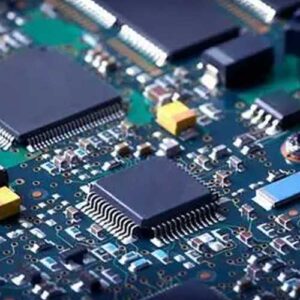
Innovation in San Jose PCB Manufacturing Technologies
San Jose PCB suppliers are leaders in next-generation PCB technologies, especially in advanced electronics markets requiring:
-
high-speed digital signal routing
-
high-frequency RF designs
-
high-current power boards
-
miniaturized multilayer structures
The major innovations shaping the PCB industry include:
1. High-Density Interconnect (HDI) PCBs
HDI PCBs are built with microvias, blind/buried vias, and fine trace routing. These boards are essential for modern electronics like:
-
smartphones
-
IoT devices
-
medical diagnostic equipment
-
aerospace control modules
San Jose manufacturers are actively producing HDI multilayer boards with tighter tolerances and improved yield performance.
2. Flexible and Rigid-Flex PCB Manufacturing
Flexible circuits and rigid-flex PCBs are increasingly used for compact, lightweight, and vibration-resistant electronics. These PCBs are critical in:
-
wearable technology
-
defense electronics
-
automotive dashboards
-
medical implants
Unlike rigid boards, flexible PCB manufacturing requires specialized materials like polyimide substrates and precision lamination.
3. Advanced Thermal Management PCB Solutions
As electronics become more powerful, thermal issues become a major design limitation. San Jose manufacturers are addressing this by producing:
-
metal core PCBs (MCPCB)
-
aluminum-backed substrates
-
high Tg laminates
-
ceramic-filled materials
These technologies help improve heat dissipation, ensuring stability in power electronics, LED systems, and EV applications.
Key Materials Used in PCB Fabrication
Material selection directly impacts PCB reliability, electrical performance, thermal conductivity, and long-term durability. San Jose PCB manufacturers use advanced substrates and finishes depending on the application.
Common PCB Substrate Materials
The most widely used PCB material is:
-
FR-4 laminate (fiberglass + epoxy resin)
FR-4 remains popular because of its cost-effectiveness and mechanical strength. However, for specialized PCB requirements, manufacturers may use:
-
Polyimide (flex PCB manufacturing)
-
Rogers laminates (high-frequency RF PCB design)
-
Ceramic substrates (high thermal and high voltage environments)
-
Metal core substrates (heat-sensitive electronics)
Copper Foil and Conductive Layers
Copper is the primary conductor in PCBs. San Jose manufacturers often offer:
-
1 oz copper
-
2 oz copper
-
3 oz copper (or higher for power boards)
Copper thickness impacts current handling, impedance control, and trace durability.
Solder Mask and Surface Finishes
PCB solder mask protects copper traces from oxidation, moisture, and bridging.
The most commonly used surface finishes include:
-
HASL (Hot Air Solder Leveling)
-
ENIG (Electroless Nickel Immersion Gold)
-
OSP (Organic Solderability Preservative)
-
Immersion Silver / Immersion Tin
ENIG is widely preferred for fine-pitch components and high-reliability applications because of its flat surface and excellent corrosion resistance.
PCB Manufacturing Process in San Jose (Step-by-Step Technical Overview)
PCB fabrication is a highly controlled multi-stage manufacturing process. In San Jose, PCB production follows strict process engineering to ensure repeatable results.
Step 1: PCB Design & CAM Engineering
Before fabrication begins, PCB design files (Gerber + drill files) go through CAM analysis to validate:
-
trace spacing
-
drill alignment
-
impedance requirements
-
stack-up design
-
manufacturability review (DFM)
Step 2: Imaging & Photoresist Application
The circuit pattern is transferred using UV exposure and photoresist development. This determines trace accuracy and fine-line capability.
Step 3: Copper Etching
Unwanted copper is chemically removed using controlled etching. This step defines final circuit paths.
Step 4: Drilling and Via Formation
CNC drilling creates:
-
through-holes
-
vias
-
mounting holes
For HDI boards, manufacturers use laser drilling to create microvias.
Step 5: Plating (Electroless + Electroplating)
Copper plating strengthens vias and ensures electrical continuity between layers. Proper plating thickness is essential for reliability in high-vibration and high-current applications.
Step 6: Solder Mask & Silkscreen Printing
A solder mask is applied for insulation and protection. Then silkscreen adds reference designators and part markings.
Step 7: Surface Finishing and Final Routing
Surface finish ensures solderability and shelf life. The PCB is then routed to final dimensions using CNC machining.
Step 8: Electrical Testing & Inspection
Final boards are tested using:
-
flying probe test
-
fixture-based electrical testing
-
continuity testing
-
insulation resistance checks
PCB Quality Control Measures Used by San Jose Manufacturers
PCB quality assurance is what separates average manufacturers from high-reliability suppliers. San Jose manufacturers typically apply multi-stage QC, including:
Automated Optical Inspection (AOI)
AOI detects:
-
broken traces
-
shorts
-
misalignment
-
solder mask issues
X-Ray Inspection
X-ray testing is critical for multilayer boards and BGA designs to verify:
-
via integrity
-
internal alignment
-
solder joint quality
Cross-Section Analysis
Microsection testing checks:
-
copper plating thickness
-
layer alignment
-
dielectric integrity
-
via wall condition
Final Inspection (IPC Compliance)
Final boards are inspected according to IPC acceptance standards ensuring every board meets strict tolerance.
PCB Manufacturing Trends Driving the Future of the Industry
San Jose PCB manufacturers are preparing for the future with high-investment innovation in:
Miniaturization and Ultra-Fine Trace Routing
As electronics shrink, manufacturers must support:
-
tighter spacing
-
microvias
-
controlled impedance stackups
-
high layer counts
Rigid-Flex Growth for Automotive and Aerospace
Rigid-flex boards reduce connectors, increase reliability, and save space—ideal for harsh environments.
Smart PCB Manufacturing (Industry 4.0)
Automation is transforming the PCB industry through:
-
AI-powered defect detection
-
predictive maintenance systems
-
IoT-connected production lines
-
real-time yield monitoring
This reduces scrap, improves turnaround time, and ensures higher consistency in production.
How to Choose the Best PCB Manufacturer in San Jose
Selecting the right PCB manufacturing partner requires technical evaluation. Key factors include:
Manufacturing Capabilities
Make sure the supplier supports:
-
multilayer PCB fabrication
-
HDI PCB production
-
controlled impedance design
-
rigid-flex fabrication
-
fast PCB prototyping
Quality Certifications
Look for compliance with:
-
IPC standards
-
ISO 9001
-
ISO 13485 (medical-grade PCBs)
-
ITAR compliance (defense projects)
Lead Time and Scalability
A reliable manufacturer should support both:
-
prototype production
-
medium and high-volume manufacturing
Engineering Support & Communication
Strong manufacturers provide:
-
DFM feedback
-
stack-up consultation
-
material selection support
-
impedance modeling assistance
Conclusion: The Future of PCB Manufacturing in San Jose
San Jose continues to be a powerhouse for high-reliability PCB manufacturing due to its strong engineering culture, access to advanced materials, and strict quality control standards.
With rising demand for HDI boards, rigid-flex PCBs, high-frequency RF laminates, and smart manufacturing automation, San Jose PCB suppliers are positioned to lead the next generation of electronics manufacturing.
If your project requires precision, performance, and compliance-driven manufacturing, partnering with a San Jose PCB manufacturer ensures access to world-class fabrication technology and industry expertise.